
Couch Grass Root: A Traditional Herbal Favorite
- Regular price
- $3.99 USD
- Unit price
- per
Couldn't load pickup availability.
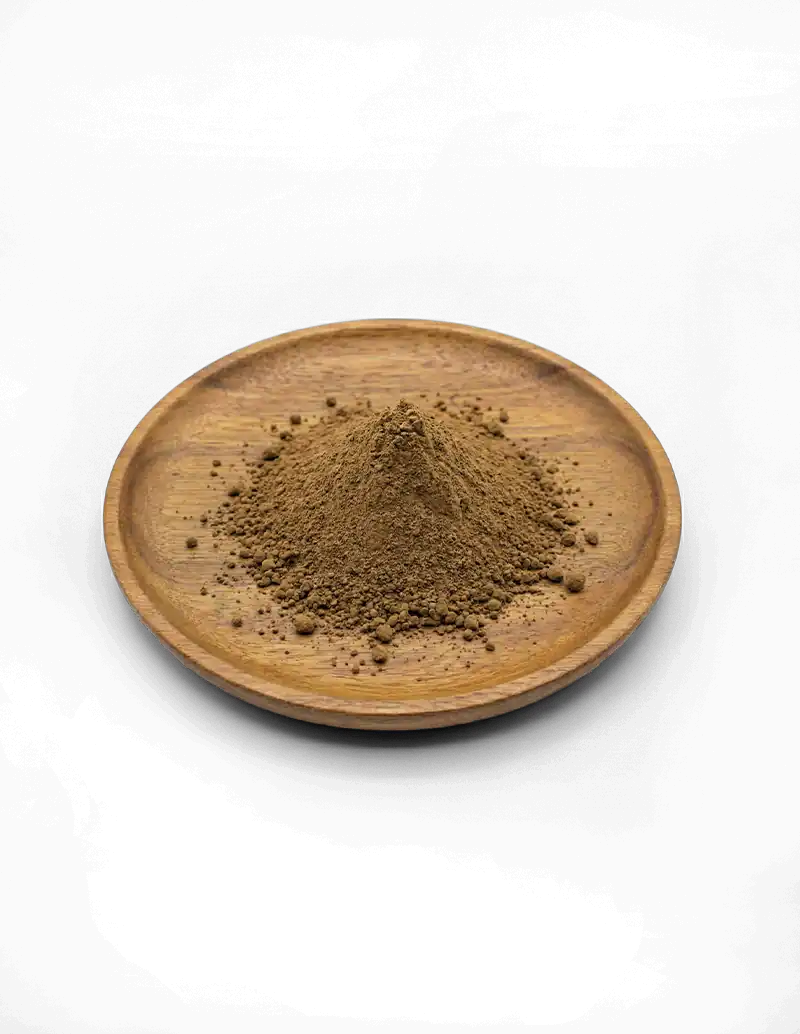
Couch grass root comes from a resilient perennial herb. People also know it as Dog Grass, Quack Grass, or Twitch Grass. For centuries, herbal enthusiasts have cherished couch grass roots. Today, many brew couch grass roots into a simple tea. This tea tastes mild and light. As a result, drinkers find it pleasant and easy to enjoy.
Where Couch Grass Grows
This hardy plant originally started in Europe, Asia, and North Africa. Now, however, it thrives worldwide. For example, you find it in North America, Australia, and New Zealand. Farmers often see its couch grass deep roots as a weed. These strong, spreading rhizomes frequently challenge gardens. Yet, herbalists carefully harvest couch grass roots for traditional uses.
A Rich History in Herbal Traditions
Ancient Greeks and Romans prepared decoctions from couch grass root. In addition, they included it in daily herbal routines. Medieval healers continued this practice. Even now, people still brew couch grass root tea the same simple way.
Why People Choose Couch Grass Root Today
People turn to this gentle herb for many reasons. Here are some popular traditional uses:
-
Herbalists often pick it for urinary tract support.
-
Many add it to blends for healthy fluid balance.
-
Users value its soothing properties on tissues.
-
It fits into routines for natural cleansing support.
-
Because of its mild taste, it suits daily tea drinking.
Overall, couch grass root stays gentle. Therefore, many enjoy it regularly as part of simple herbal wellness.
A Favorite Among Pets Too
Pets love couch grass! For instance, cats and dogs often seek out the grass blades in yards. They instinctively graze on it. That's why people call it "Dog Grass." In addition, many pet owners notice animals choose couch grass naturally. Some even explore couch grass root for cats and dogs in herbal traditions. However, always check with your vet first.
Disclaimer
This natural herbal product draws from centuries of traditional use. It does not diagnose, treat, cure, or prevent any disease. The FDA has not evaluated these statements. Consult your healthcare provider or veterinarian before use. This applies especially if you are pregnant, nursing, taking medication, or have a health condition.

Featured collection
-
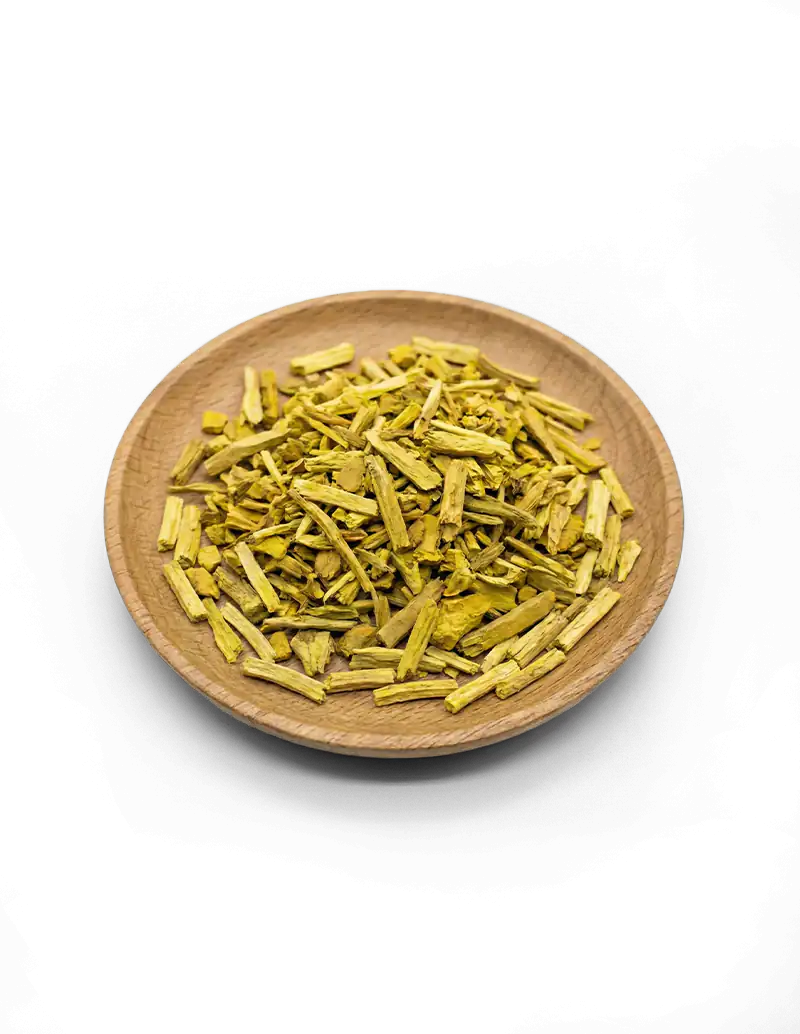
Barberry Root Bark: A Traditional Herbal Ingredient
1 review- Regular price
- From $6.99 USD
- Unit price
- per
Quick shop for Barberry Root Bark: A Traditional Herbal Ingredient
-

Quick shop for Black Walnut Tincture: A Traditional Herbal Blend
-
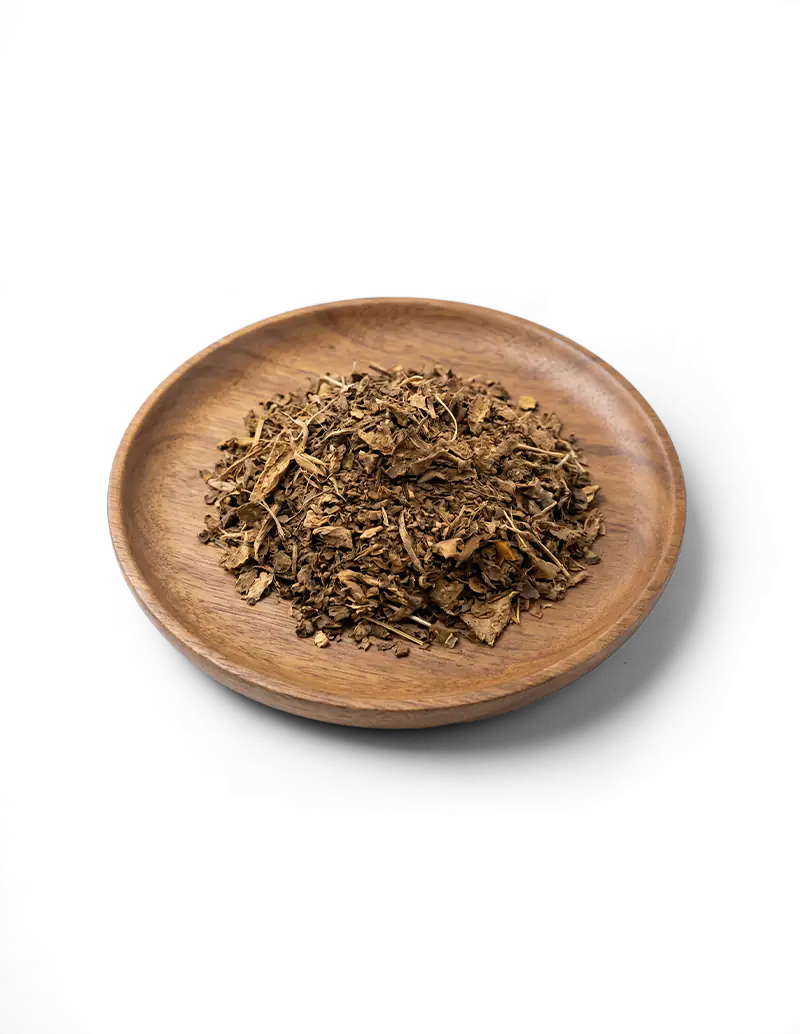
Quick shop for Blue Flag Root: A Traditional Herb
-

Blue Vervain Herb Leaf: A Pretty Traditional Plant
1 review- Regular price
- From $4.64 USD
- Unit price
- per
Quick shop for Blue Vervain Herb Leaf: A Pretty Traditional Plant
-
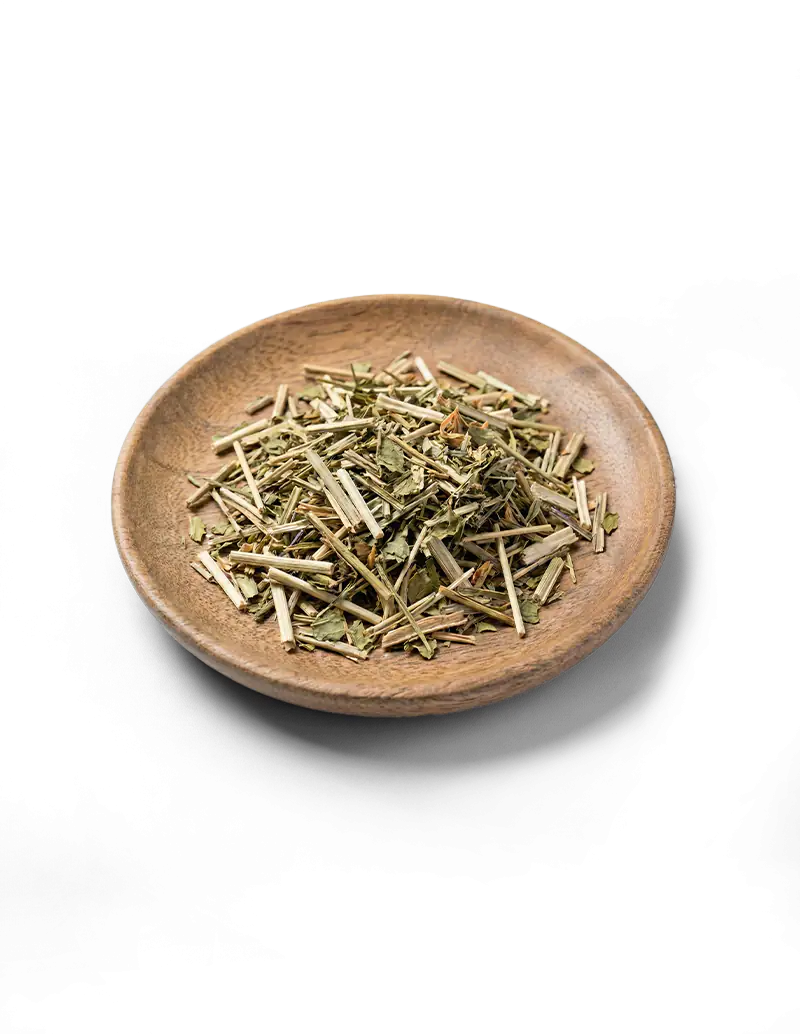
Blue Vervain Herb: Premium Botanical for Crafts
1 review- Regular price
- From $5.50 USD
- Unit price
- per
Quick shop for Blue Vervain Herb: Premium Botanical for Crafts
-

Quick shop for Boneset Herb: Wildcrafted Leaf and Flower
-

Quick shop for Buckthorn Bark Powder: Organic Aged
-
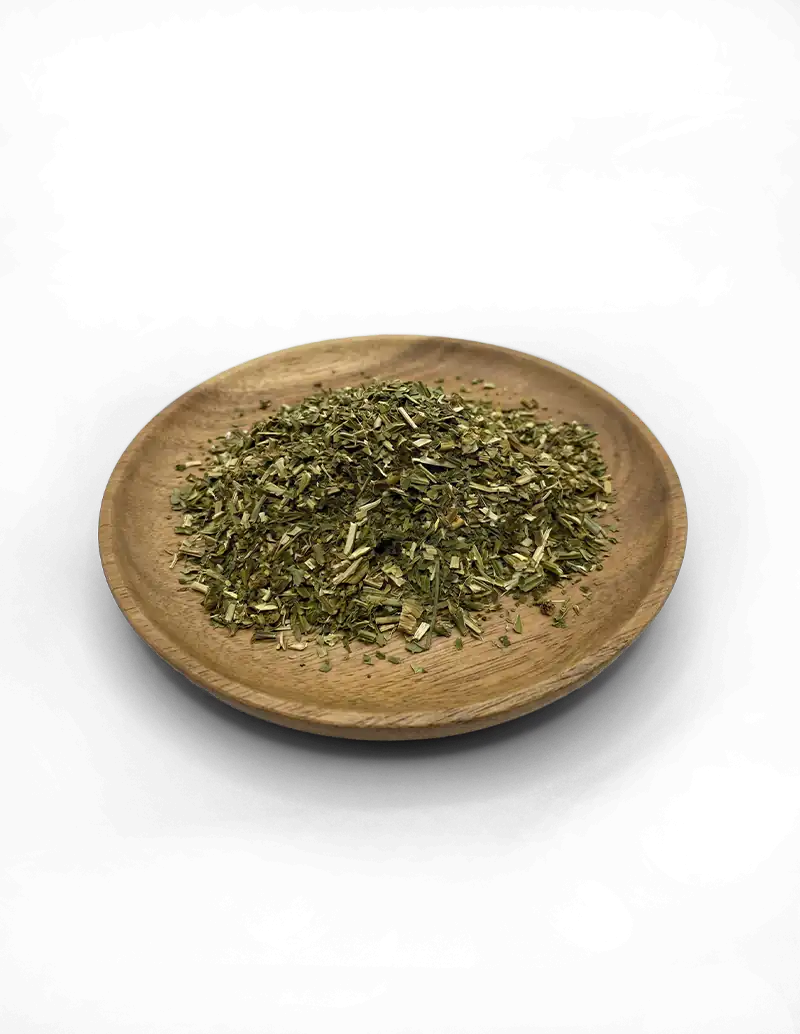
Quick shop for Bugleweed Dried Herb: For Everyday Herbal Use
-
Quick shop for Burdock Root Powder: A Simple Guide
-

Cascara Sagrada Powder: A Traditionally Prepared Bark
1 review- Regular price
- From $2.99 USD
- Unit price
- per
Quick shop for Cascara Sagrada Powder: A Traditionally Prepared Bark
-

Quick shop for Chaparral Leaf: A Desert-Grown Botanical
-

Quick shop for Cleavers (Galium aparine): A Common Wild Plant


