
Elderflower Tonic - Cold and Flu Season
- Regular price
- $15.00 USD
- Unit price
- per
Couldn't load pickup availability.
Name: Elderflower Tonic
Botanical Name: Sambucus nigra
Common Names: Elder, Black Elder, European Elder, Sweet Elder, Sambucus, Elder Blow
Elderflower has been used in Europe for hundreds of years. It is also called European Elder or Black Elder. People enjoy it in teas, drinks, and natural remedies. Today, many drink a refreshing elderflower tonic to support daily wellness and calm.
Identity, Habitat and Tradition
Elder is a shrub that loses its leaves in winter. It grows in Europe, North Africa, and Western Asia. It also grows well in moist, rich soil. Therefore, you often find it near rivers, hedgerows, or woodlands. Over time, it has spread to North America.
Historically, people valued elderflowers. For example, Dioscorides praised it in ancient Greece. Later, medieval Europeans called it “the medicine chest of the people.” Elderberry is one of the most popular botanical supplements due to its historical use for Colds, Influenza, and Fevers.
Moreover, many legends said the plant was sacred and protective. In addition, people still use elderflower herb powder in modern remedies and recipes. This long history shows why elderflower is still a trusted elderflower super herb today.
Flowers and Berries: How They Are Used
Elderflowers and elderberries grow on the same plant. However, they serve different purposes:
-
Elderflowers: Light, sweet, and floral. They work well in teas, cordials, or a soothing elderflower tonic.
-
Elderberries: Dark, tart, and strong. They are great for syrups, jams, and seasonal drinks.
-
Both flowers and berries also mix well in herbal blends for wellness and detox.
Elderflower Tonic Benefits
Elderflower is full of natural compounds like flavonoids, tannins, and antioxidants. Therefore, it may support the immune system and help you feel calm. People use it for:
-
Gentle teas and tonics
-
Skin rinses and soothing baths
-
Cooking with elderflower herb powder
In addition, its soft, honey-like aroma adds comfort to drinks and recipes.
Quality, Storage, and Safety
We pick elderflowers at their peak bloom. Then, we carefully dry them to keep their scent and flavor.
Storage tips: Keep in a cool, dry place in an airtight container.
Safety note: Only use flowers and fully ripe berries. Avoid unripe berries, bark, and leaves.
Disclaimer
This herb is for traditional and culinary use only. It does not treat or prevent disease. Therefore, consult a healthcare professional before use.

Herbal Blends
-
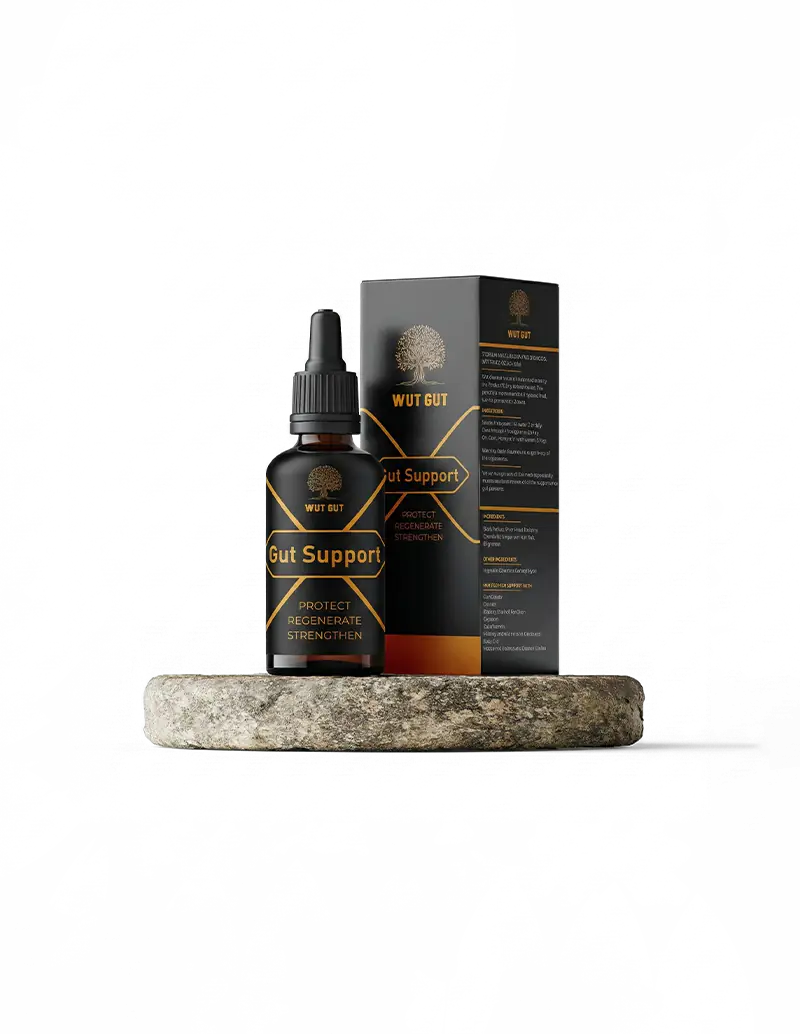
Wut Gut - Weight & Digestive Support Herbal Blend
12 reviews- Regular price
- $34.99 USD
- Sale price
- $41.99 USD
- Unit price
- per
-

Wut Gut - Weight & Digestive Support Herbal Blend Double Box Package
2 reviews- Regular price
- $63.99 USD
- Sale price
- $84.99 USD
- Unit price
- per
-

Wut Gut - Weight & Digestive Support Herbal Blend Triple Box Packege
1 review- Regular price
- $95.99 USD
- Sale price
- $126.98 USD
- Unit price
- per
-
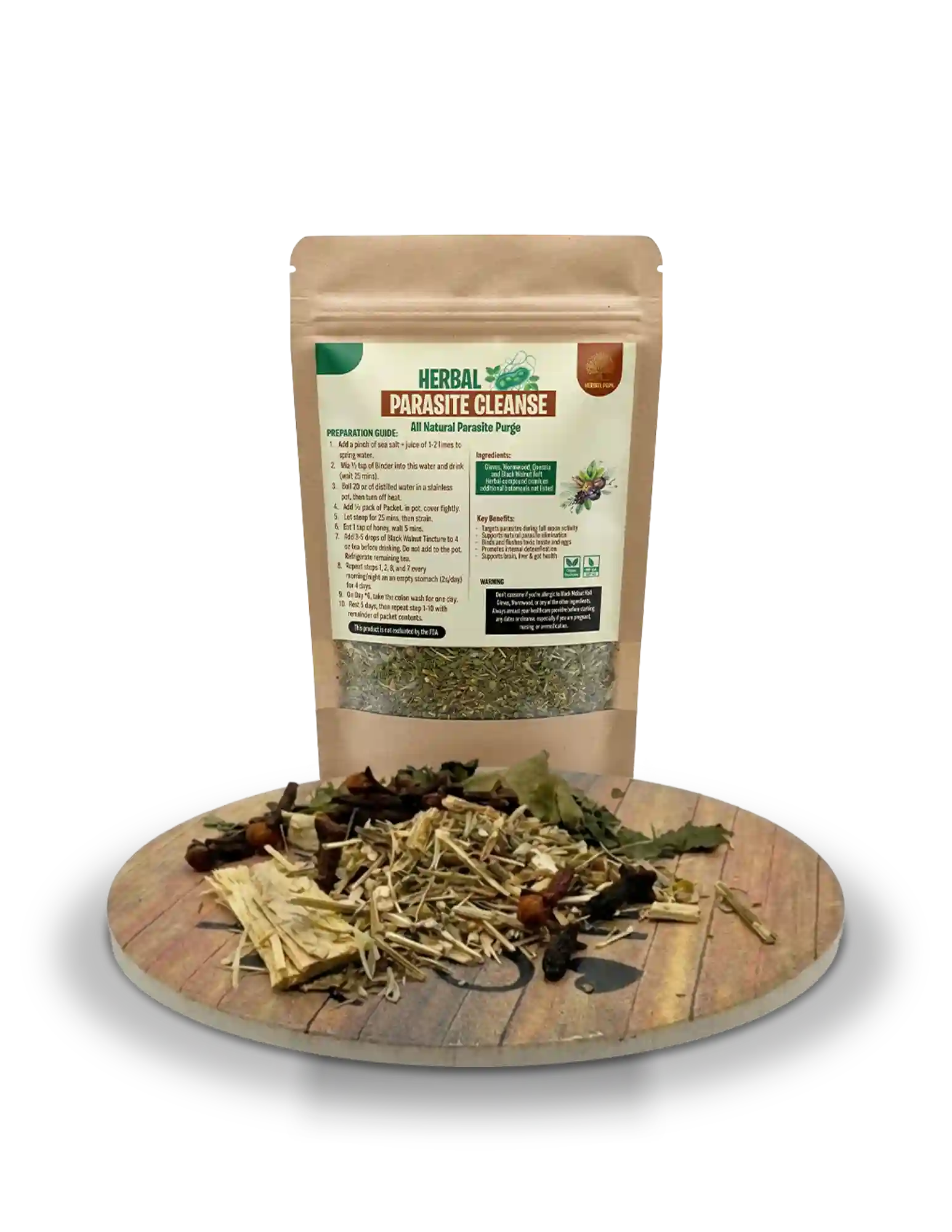
Wut Parasite (Tea Version) - Black Walnut Cloves Wormwood Traditional Herbal Blend
- Regular price
- $32.95 USD
- Unit price
- per
-
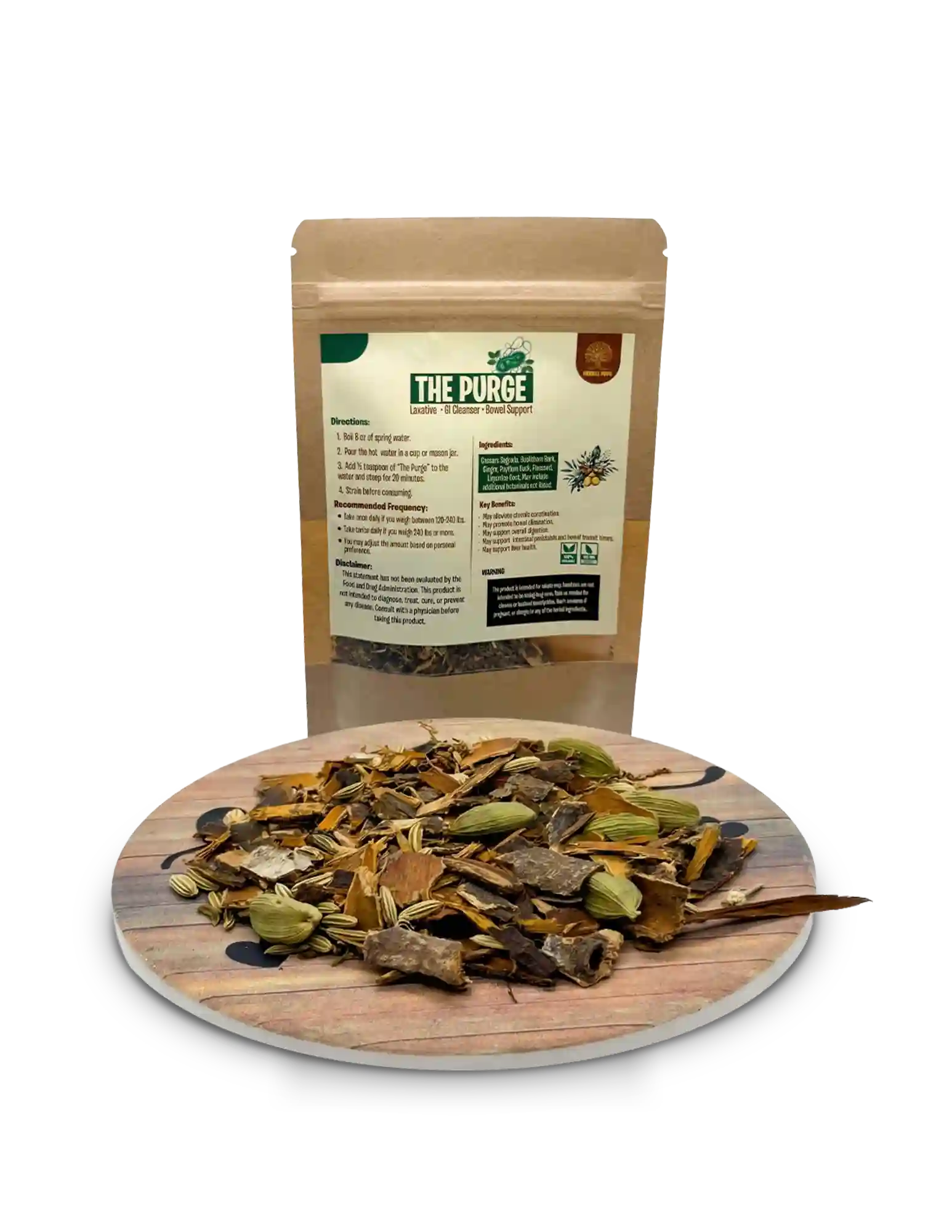
The Purge - Traditional Laxative Herbal Digestion Support Tea Blend
- Regular price
- $29.99 USD
- Unit price
- per
-

EZ Cycle – Supplement for Women Cycle and Reproduction Support
- Regular price
- $35.00 USD
- Sale price
- $43.99 USD
- Unit price
- per
Quick shop for EZ Cycle – Supplement for Women Cycle and Reproduction Support
-

Wut Pump - Performance & Energy Herbal Blend
- Regular price
- $35.00 USD
- Unit price
- per
-

Black Walnut Tincture – Green Hull Black Walnut Parasite
1 review- Regular price
- From $15.00 USD
- Unit price
- per
Quick shop for Black Walnut Tincture – Green Hull Black Walnut Parasite


Pure Hearbs
-
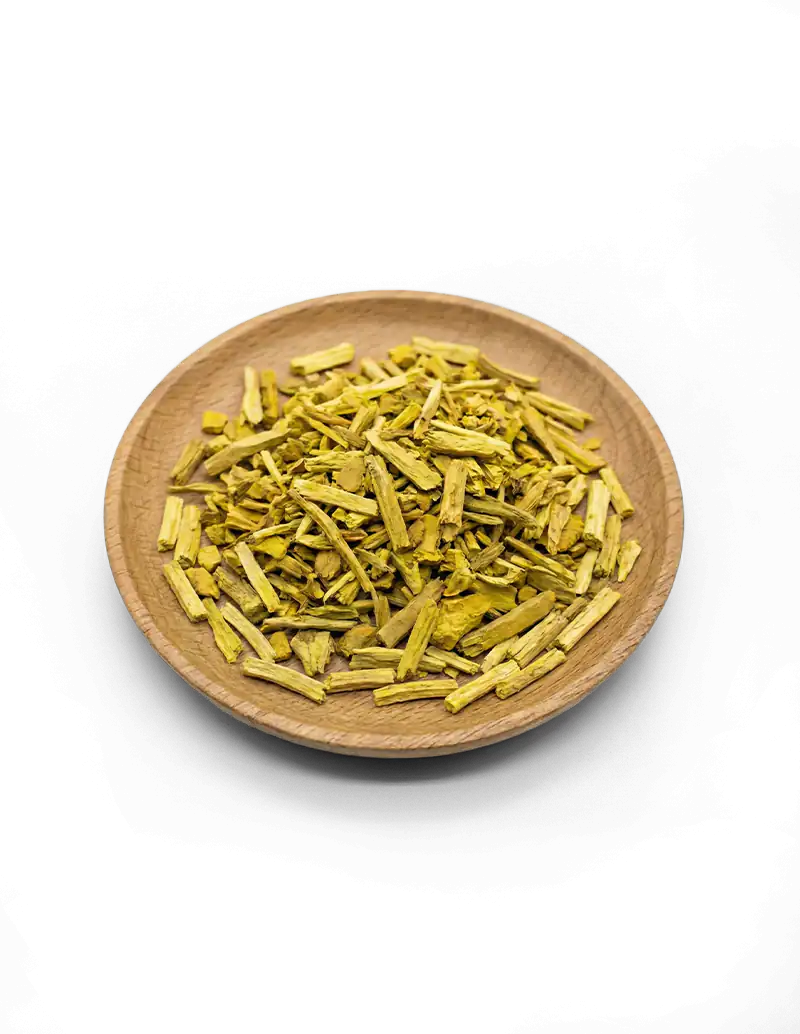
Quick shop for Barberry Root Bark – Herbal Natural Berberine
-
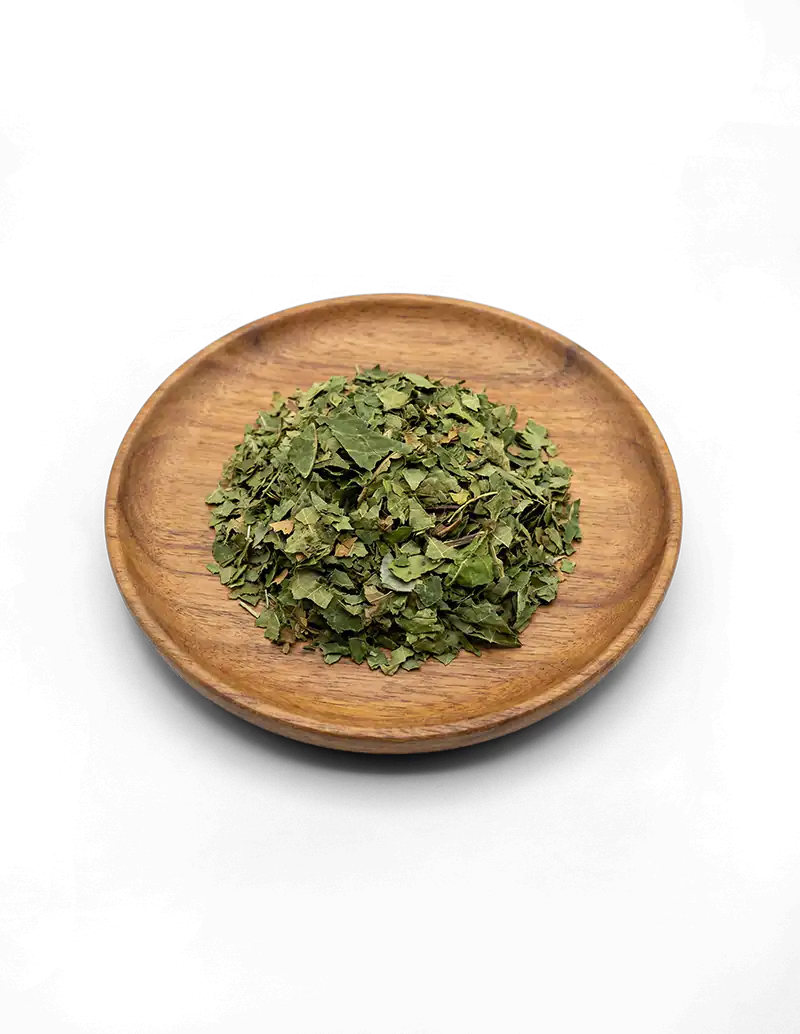
Black Walnut Leaf – Wildcrafted Raw Botanical Herb
1 review- Regular price
- From $15.00 USD
- Unit price
- per
Quick shop for Black Walnut Leaf – Wildcrafted Raw Botanical Herb
-
Black Walnut Tincture – Green Hull Black Walnut Parasite
1 review- Regular price
- From $15.00 USD
- Unit price
- per
Quick shop for Black Walnut Tincture – Green Hull Black Walnut Parasite
-
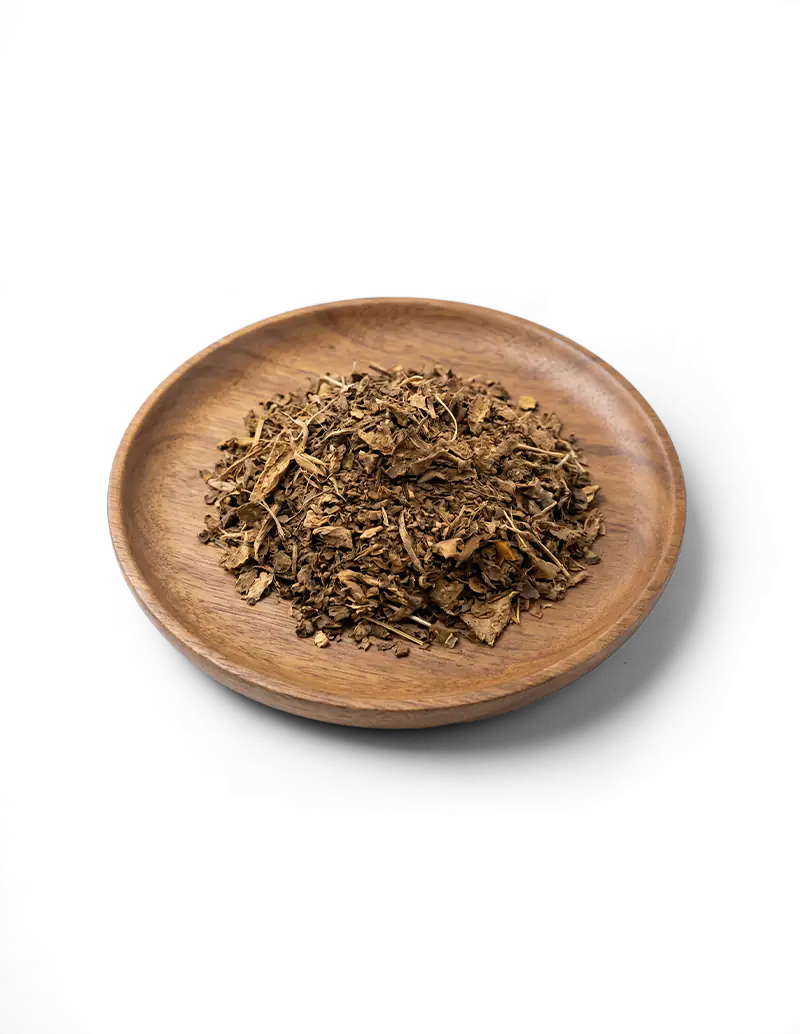
Quick shop for Blue Flag Root Herb - Traditional & Pure
-
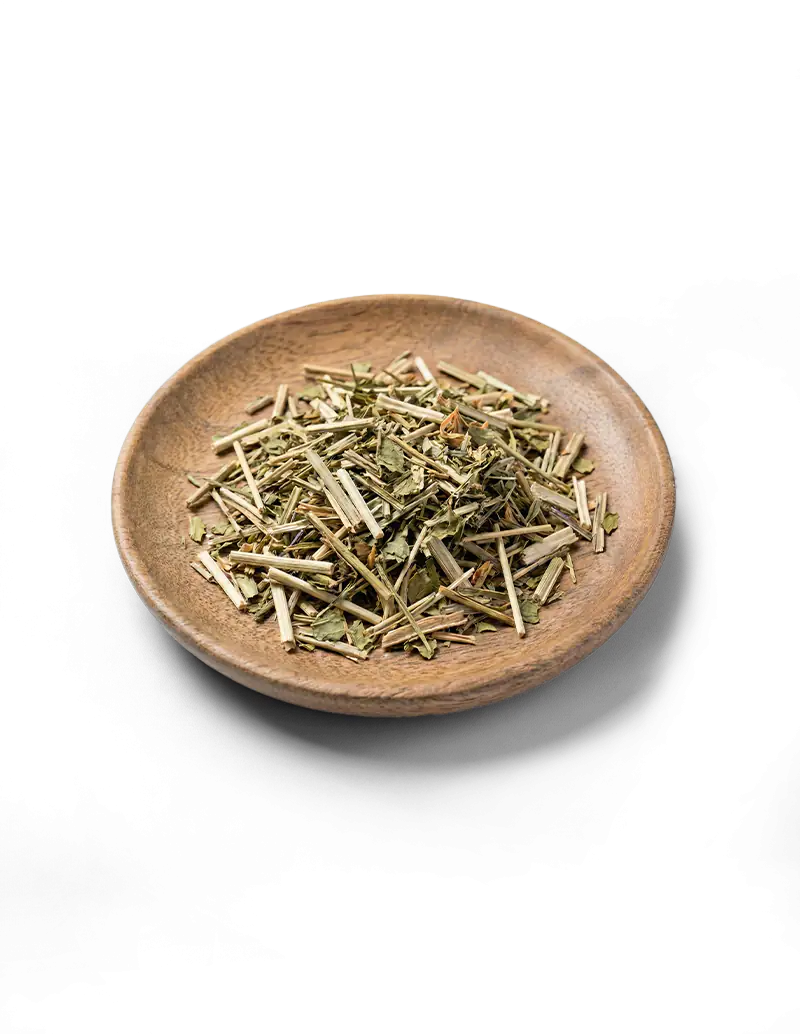
Blue Vervain Herb - Premium Botanical for Crafts & Aromatics
1 review- Regular price
- From $15.00 USD
- Unit price
- per
Quick shop for Blue Vervain Herb - Premium Botanical for Crafts & Aromatics
-

Quick shop for Boneset Herb – Wildcrafted Leaf and Flower
-

Buckthorn Bark - Pure & Organic Natural Laxative
1 review- Regular price
- From $15.00 USD
- Unit price
- per
Quick shop for Buckthorn Bark - Pure & Organic Natural Laxative
-
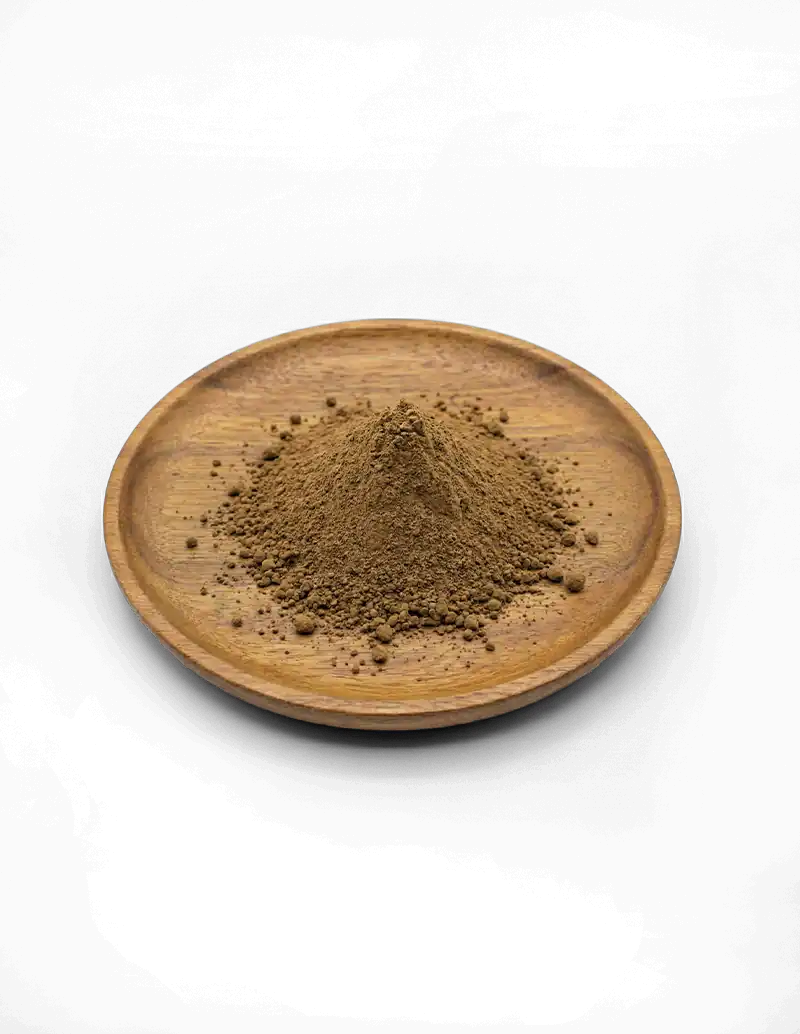
Quick shop for Burdock Root Powder – Pure, Earthy & Organic
-

Cascara Sagrada Bark Powder – Pure & Organic Natural Laxative
1 review- Regular price
- From $15.00 USD
- Unit price
- per
Quick shop for Cascara Sagrada Bark Powder – Pure & Organic Natural Laxative
-
Quick shop for Celandine Herb - Easy Garden Flower Plant
-

Quick shop for Chaparral Herb - Desert Creosote Bush
-

Quick shop for Cleavers Herb - A Common Wild Plant


